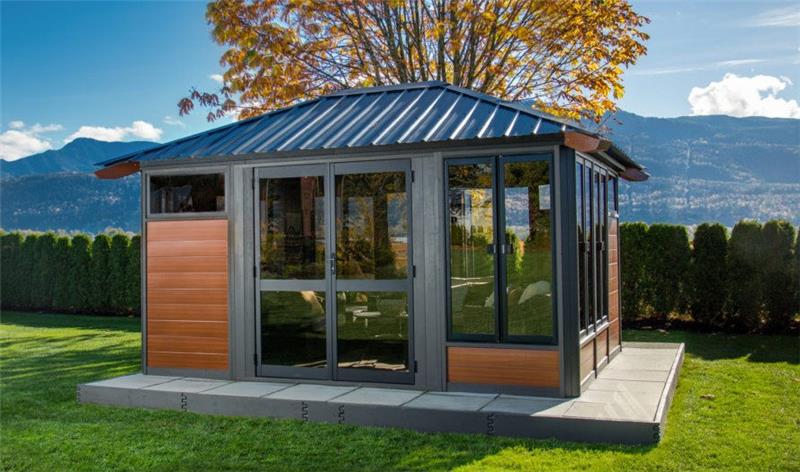
A professionally built gazebo adds beauty, comfort, and functionality to any Canadian backyard. However, Canadian weather conditions, heavy snow, rain, moisture, temperature swings, and strong winds make proper installation absolutely essential. A securely installed gazebo not only enhances outdoor living but also stands strong throughout the year.
Professional installers understand how to align components perfectly, anchor the structure correctly, and build it in a way that reduces long-term damage. Many homeowners attempt to install Gazebo Installation Services themselves and encounter issues like wobbling bases, loose bolts, misaligned frames, and unstable roofs. An experienced technician prevents such problems by following the right methods, using proper tools, and applying the correct construction techniques.
Why Professional Gazebo Installation Matters
Outdoor structures must be built with precision to withstand the variety of weather conditions that Canada experiences. Professional installation ensures your gazebo is assembled with stability, safety, and longevity in mind.
Structural Stability
Proper structural stability is one of the most important aspects of installing a gazebo. Professionals make sure the foundation is level, the posts are aligned, and the base is secured firmly. This prevents the structure from shifting or leaning over time, even when exposed to strong winds or uneven ground conditions. A stable gazebo feels solid, safe, and reliable.
Safety Assurance
Safety is a major concern for any outdoor structure. An incorrectly assembled roof or loose framework can pose real dangers to the people using the space. Professional installers check every bolt, brace, joint, and panel to ensure the structure is secure. This reduces the risk of collapsing, detachment, or falling components during storms or heavy usage.
Long-Term Durability
When a gazebo is installed correctly, it naturally lasts longer. Professional assembly ensures that the joints are tight, fasteners are weather-resistant, and each component is placed exactly as intended by the manufacturer. This helps protect the structure from rust, moisture damage, warping, or premature wear.
Improved Aesthetics
A properly installed gazebo always looks better. Straight posts, level beams, and a balanced roofline all contribute to a clean, visually appealing finish. This enhances the overall beauty of your backyard and makes your outdoor space more inviting.
Convenience for Homeowners
Professional installation saves you from the exhausting process of reading manuals, handling tools, carrying heavy parts, and managing the entire assembly alone. Everything from unpacking the box to final cleanup is handled by experts, giving you a completely worry-free experience.
Understanding Canadian Outdoor Structure Requirements
Rules for outdoor structures vary from one Canadian city to another. However, most regions follow general guidelines to ensure safe, weather-resistant construction. These considerations help prevent damage and maintain the strength of the structure.
Weather-Prepared Design
Canadian weather demands structures that can withstand heavy snow loads, strong winds, and year-round moisture exposure. For this reason, gazebos must have strong framing, properly supported roof sections, and secure joints. Professional installers prepare the structure to resist seasonal challenges by reinforcing critical points.
Proper Anchoring
A gazebo must be properly anchored to prevent movement or tipping. Professionals choose the appropriate anchoring method depending on whether the installation is on grass, concrete, patio stones, or a deck. A solid anchor helps the gazebo remain upright and secure during storms or high winds.
Safe Assembly Practices
Each post must be aligned, each beam must fit precisely, and all hardware must be correctly tightened. Careful spacing, accurate measurements, and secure joints are key for ensuring both safety and long-term durability. Experts follow the manufacturer’s guidelines to ensure the structure performs well over time.
Ensuring Gazebo Safety Through Proper Mounting
Solid Foundation Preparation
A proper foundation is the base of a safe and lasting gazebo. Installers evaluate the area by checking the slope, soil conditions, and drainage patterns. If the surface is not level, they adjust it to ensure the structure remains steady. Depending on the design and environment, a gazebo may require a concrete pad, a deck-mounted base, ground anchors, or well-placed patio stones.
Secure Anchoring for All Weather Conditions
Anchoring is especially important in Canada’s climate. Professionals use heavy-duty, corrosion-resistant hardware that can withstand moisture, temperature fluctuations, and wind pressure. They make sure each leg or post is attached firmly so the structure does not shake or loosen over time.
Strong and Balanced Roof Assembly
The roof is often the heaviest part of the gazebo and must be constructed carefully. Professional installers reinforce roof beams, ensure balanced weight distribution, and secure every panel properly. This helps the gazebo handle snow accumulation during winter months without bending or sagging.
Preventing Damage & Increasing Lifespan
Canada’s climate exposes outdoor structures to moisture, sunlight, snow, and seasonal temperature changes. Proper installation and maintenance help prevent long-term damage.
Weatherproofing plays a major role in durability. Wooden gazebos benefit from sealants that protect them from moisture absorption, while metal structures need coatings that prevent rust. Good drainage around the gazebo ensures water does not pool near the base. Regular cleaning, clearing snow, and removing debris also help reduce strain on the structure.
Safe Playset Installation Near Gazebos
Many families have gazebos placed near children’s playsets, making proper layout planning essential. Ensuring safe distances between the two structures helps avoid accidents.
A playset must have enough clearance on all sides, especially around moving parts such as swings and slides. Using soft landing materials like rubber mulch or engineered wood fiber beneath the playset reduces injury risks. Each playset post must be anchored firmly to avoid movement when children use it actively. When properly planned, both the gazebo and playset can coexist safely in the same space.
Eco-Friendly Installation Options
Homeowners across Canada are increasingly looking for sustainable and eco-friendly solutions for outdoor projects. Professional installers can guide you in choosing materials and methods that are safe for the environment.
Selecting wood from responsibly managed forests, such as FSC-certified lumber, helps reduce environmental impact. Using low-VOC sealants lowers emission levels during application. Metal gazebos can also be an environmentally responsible choice since aluminum and steel are recyclable. If an existing deck or foundation is still structurally sound, it can be reused to avoid unnecessary waste.
How to Hire the Right Gazebo Installers in Canada
Choosing the right installation service ensures the structure is safe, long-lasting, and professionally assembled. Homeowners should look for technicians who are properly insured and trained. Experience with assembling different types of gazebos soft tops, hard tops, screened gazebos, metal frames, and wooden structures is essential.
It is also helpful to select a company that offers a clear labour guarantee or warranty for their work. This provides confidence that the installation has been done properly and support is available if small adjustments or fixes are needed later. Transparent pricing and detailed service descriptions make the selection process easier and more reliable.
Post-Installation Maintenance Tips
Even after installation, regular care helps preserve the appearance and safety of your gazebo. Fasteners should be checked at least twice a year, especially after winter storms or strong winds. Wooden surfaces need resealing every one to two years to maintain their resistance to moisture. Hinges and joints should be lubricated occasionally to prevent rust and stiffness.
Fabric components like canopies or mesh screens should be cleaned regularly and inspected for UV damage or mold. During winter, snow should be removed promptly from the roof to prevent unnecessary strain.
Conclusion
A gazebo is not only a decorative addition it is a functional outdoor retreat that requires careful installation and proper planning. In Canada, where weather conditions can be challenging, professional gazebo installation guarantees safety, stability, and long-term durability. By ensuring proper mounting, strong roof support, and weather-resistant construction, you can enjoy a beautiful outdoor space without worry.
Regular maintenance and quality installation make your investment worthwhile, giving you years of comfort and enjoyment in your backyard. visit https://weinstallit.com/contact-us/
Frequently Asked Questions
1. Do I need a permit for gazebo installation?
Permit requirements depend on the size and permanence of the structure. Some cities require approval for larger or more permanent gazebos.
2. Can a gazebo handle heavy snow?
A properly installed gazebo can handle snow loads, especially when the roof structure is reinforced and maintained regularly.
3. Which materials work best for the Canadian climate?
Galvanized steel, treated wood, and aluminum are strong choices because they resist moisture and extreme temperatures.
4. Can I place a gazebo on a deck?
Yes, but the deck must be strong enough to support the weight of the gazebo. Proper anchoring is essential.
5. How often should I maintain my gazebo?
Every six months, and after harsh weather conditions.